
In the event of a fatal accident, relatives can request the transfer of compensation which should be paid into the victim's account. To ensure the smooth running of the procedures, it is advisable to call upon a lawyer.
Relatives Who Can Claim Compensation
Relatives of the deceased victim of an accident have the possibility to request the transfer of the compensation to which they are entitled. Relatives who can receive the transfer of compensation are identified according to the order of succession established by French law. They are mainly composed of heirs.
They are the spouse, the children, and the parents. Depending on the relationship between the victim and those who are harmed, relatives may extend to uncles, grandparents, great-grandchildren, and others.
Note that the amount paid to relatives depends entirely on the victim's right to compensation. If the latter can only benefit from partial compensation, the same will apply to those close to her.
The Damages That Can Be Compensated In The Event Of The Death Of The Victim

When one or more people lose a loved one in an accident, they are entitled to compensation. The latter relates in particular to compensation for psychological damage to the family, as well as pecuniary damage relating to the death of the victim, who may be a parent or a spouse.
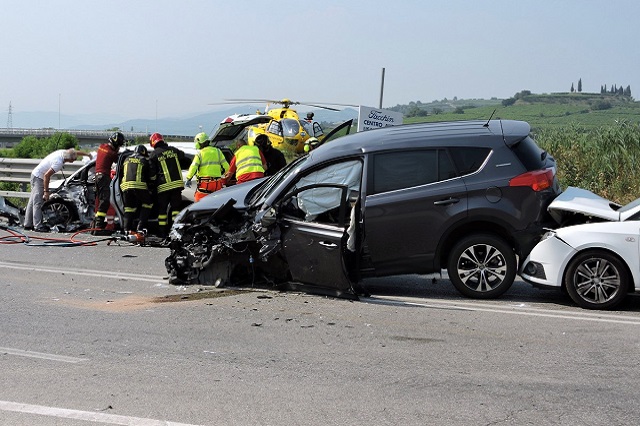
Psychological harm includes emotions such as the pain experienced. For their part, pecuniary damage refers to funeral costs, loss of income, accompanying damage if the victim survived after the accident before dying hours or years later, various related costs accommodation, and travel if necessary to reach the victim.
Relatives have the possibility of asking the insurance to grant them a provision that will be recorded in their future compensation. This provision is provided for an emergency.
How To Optimize Compensation After Personal Injury?
Following an accident, victims of bodily injury must negotiate compensation with their insurers. To get proper compensation, it is crucial to prepare for medical expertise and negotiation.

Prepare The Medical File And Medical Expertise Well
After an accident, the victim is immediately treated in the hospital. Then, at home or in another health center until recovery. It is about consolidation. This period can take a few days or extend to several years depending on the severity of the accident. A medical examination is carried out at this time in order to analyze the bodily harm suffered by the victim. The damages can be physical or psychological.
The appraisal is directed by a doctor from the insurance company, who gives the results to a regulator so that he can define the sum to be awarded to the victim. All the evidence demonstrating the responsibility of a third party during the accident must be included in the file. The latter allows the insurer to define the extent of the accident and to deduce the third party's liability as well as the corresponding compensation.
Master The Negotiation Of Compensation
Once the various examinations have been carried out, the file is sent to the adjuster. Since no scale is established for compensation procedures, the amount offered by the insurance may not be suitable for the victim.
However, long before the insurance company discloses the monetary figures, the victim's lawyer can already negotiate. The main aim of this approach is to ensure that no harm suffered is overlooked. All bodily, emotional, and pecuniary consequences are thus taken into account.
To obtain fair compensation for the damage suffered, the victim must entrust the treatment of his case to a doctor and a lawyer specializing in personal injury.